Verified Release Package Automation: Catching the Error Before the Board Ships
Release package automation and the cross-checking behind it. Reconciling every artifact against its source, and why augmentation finally makes that affordable.
The most expensive mistakes in hardware are the ones that reach the fab or the assembly line. A single wrong part, a rotated footprint, a BOM line that does not match the schematic, and a build turns into a scrap pile and a schedule slip. Almost every one of those errors is catchable beforehand. The problem was never whether you could catch them. It was whether you could afford the hours to check everything, every time. Release package automation changes that math: the exhaustive check runs by machine, and an engineer verifies the result.
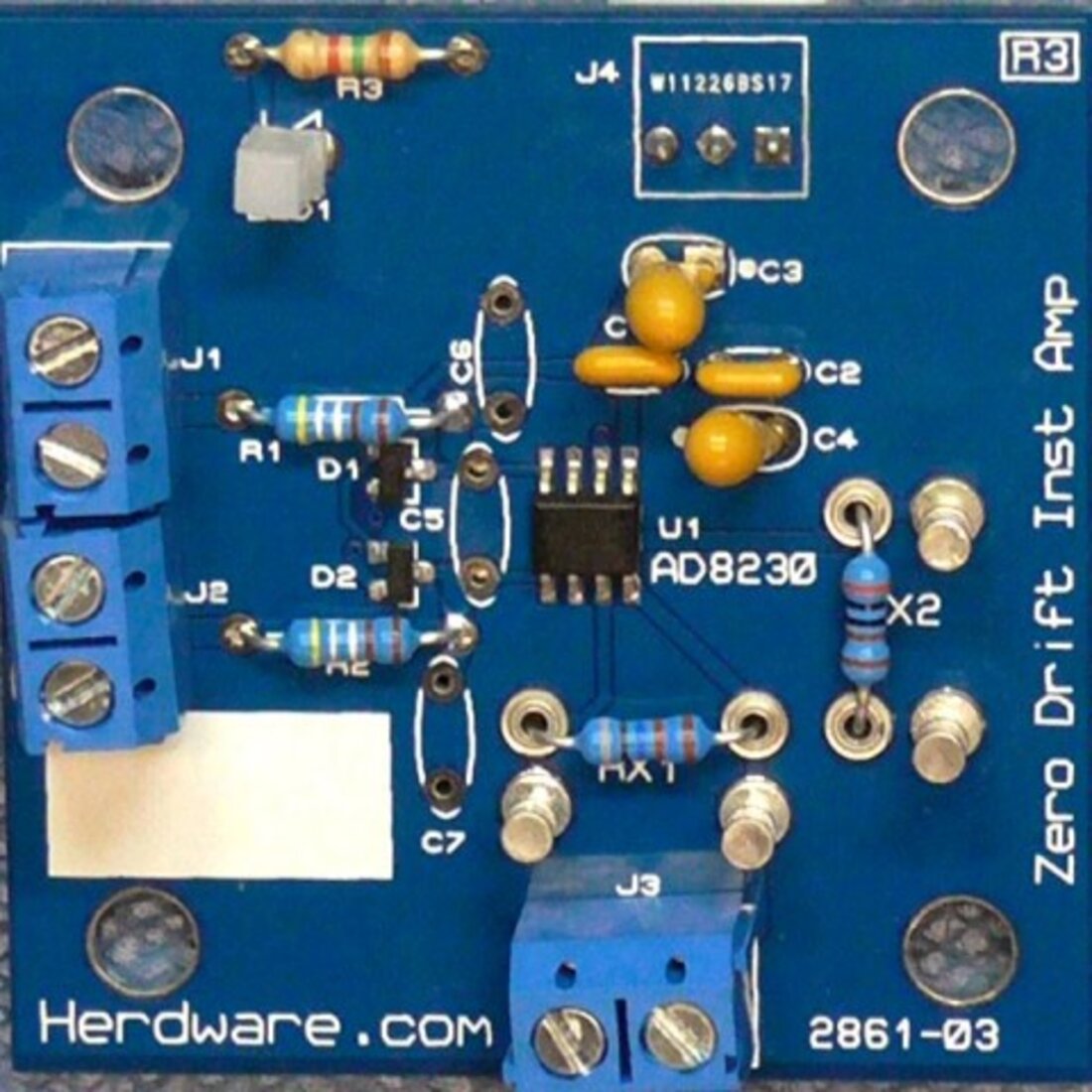
What cross-checking actually means
Design cross-checking is the discipline of verifying every artifact in a design against a primary source instead of against memory or assumption. In practice that means:
- The schematic against the datasheet: pin functions, logic levels, and absolute-maximum ratings, confirmed part by part.
- The bill of materials against the schematic and the layout: every line reconciled to a real component, a real footprint, and a real, sourceable part number. This is BOM verification done without shortcuts.
- The centroid, or pick-and-place file, against the footprints: every placement and rotation checked so the assembler seats each part the way the designer intended.
- The release package against a completeness standard: Gerbers, drill files, BOM, centroid, fab and assembly drawings, and notes, all present and internally consistent before anything is sent out.
None of this is glamorous, and all of it is where boards go wrong. Done by hand, it is slow and easy to shortcut under deadline. That is exactly the kind of work augmentation was made for.
Example: release package automation with Worthington
On a recent board program, MCG prepared a mixed-signal design for production with our assembly partner, Worthington. The deliverable that decided whether the build went smoothly was the release package, the set of files that tells the assembler exactly what to build and how.
Rather than hand-assemble and eyeball that package, we automated both its creation and the cross-checking behind it. Every BOM line was reconciled against the schematic and against the placement file. Every part rotation was checked against its footprint. The package was validated for completeness, and it was treated as atomic: it shipped only when every check passed, or it did not ship at all.
That is the quiet value of augmented engineering. The manufacturing partner receives a clean, internally consistent package, and the back-and-forth that normally eats days at the start of a build largely disappears. Fewer round-trips, fewer questions, fewer surprises on the line.
The same engine as data correlation and sorting
Reconciling a BOM to a schematic, to a layout, and to a centroid is one problem wearing four hats: it is data correlation and sorting. Each artifact is a view of the same design, keyed differently. The work is to join those views on a stable key, surface every row that disagrees, and resolve it against the source. The release package is where that correlation either holds or breaks.
That is why this case study sits inside the broader augmented-engineering discipline. The same correlation-and-sort engine that verifies a release package also reconciles sourcing data, collates measurements, and cross-references documentation at a scale no one could bill by hand.
Why augmentation makes it affordable
The exhaustive cross-check was always the right thing to do. What changed is the cost. An engineer, augmented, can direct an AI to reconcile hundreds of BOM lines, footprints, and rotations in minutes, then verify the results against the source files, work that was never worth billing by hand on a typical program.
The engineer stays in the loop at every gate. The AI extends the reach; the judgment about what is correct stays human. Augmentation without verification is just confident error, and we do not ship that.
Release package automation FAQ
What is release package automation?
Release package automation is the generation and verification of the full set of files an assembler needs: Gerbers, drill files, BOM, centroid, fab and assembly drawings, and notes, built under machine control. An engineer directs the tooling to build the package and cross-check every artifact against its source, then verifies the result. The package is treated as atomic. It ships only when every check passes.
Does automating the cross-check replace the engineer?
No. The automation extends reach; the engineer still owns the judgment about what is correct at every gate. BOM verification and design cross-checking run exhaustively by machine, then are verified against the primary sources by a human. Augmentation without verification is just confident error, and we do not ship that.
What does release package automation cost?
The exhaustive cross-check was always the right thing to do. What changed is the cost. Augmentation lets an engineer reconcile hundreds of BOM lines, footprints, and rotations in minutes instead of the hours that were never worth billing by hand, which is why a full verification pass is now affordable on a typical program. Email info@mcgllc.com to scope your release package.
Put a verified release package to work.
Tell us what you are building. We will reconcile the BOM, the schematic, the layout, and the centroid, and ship only when every check passes.
Talk to us about your release package